
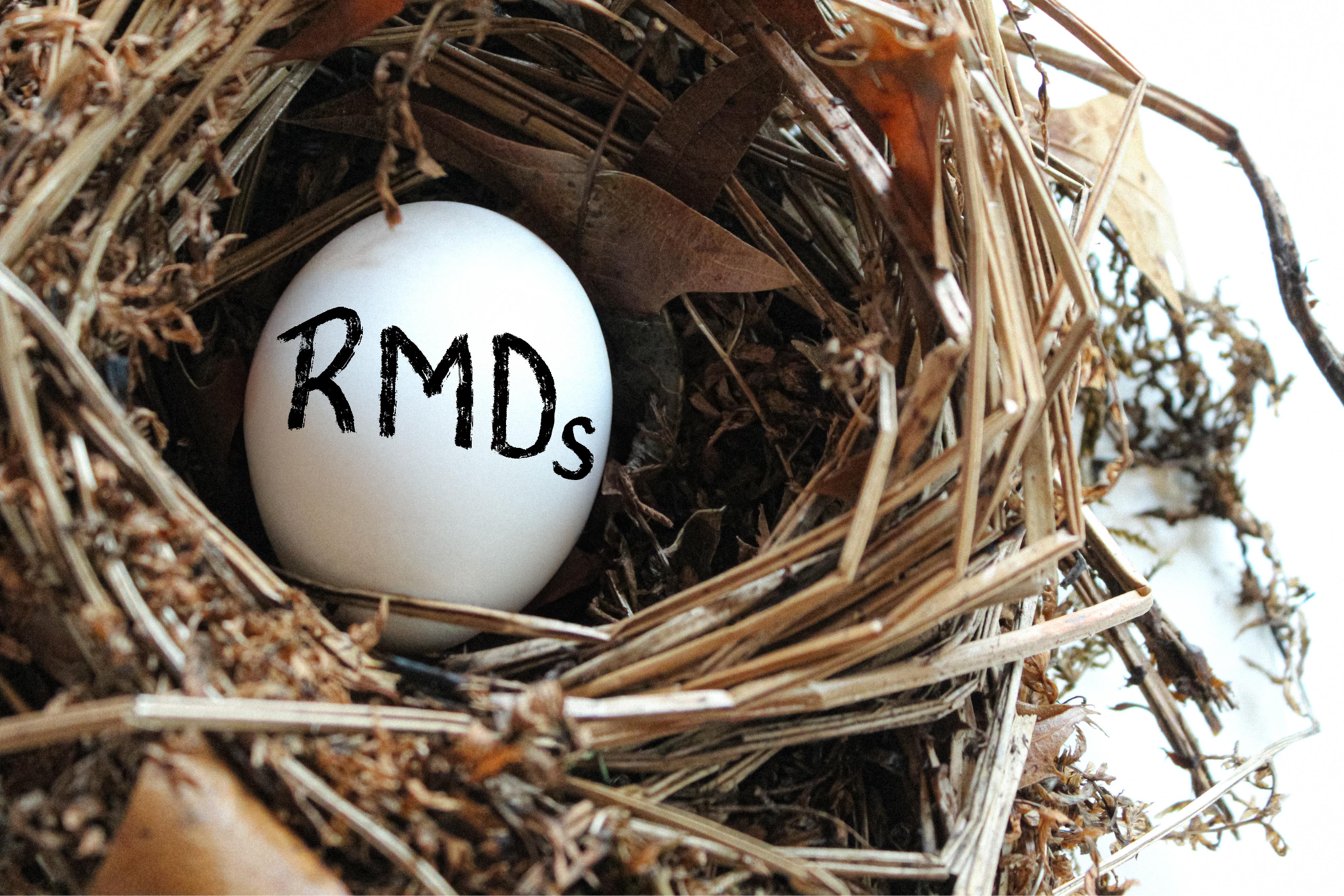
Readers Ask Tough RMD Questions
Column distributed by Hearst Connecticut Media Group.
Links to resources referenced:
- Title 26: Internal Revenue Code
- https://uscode.house.gov/view.xhtml?path=/prelim@title26/subtitleA/chapter1/subchapterD&edition=prelim
- Related column excerpt:
- “The starting point of the RMD discussion is Internal Revenue Code Section 401(a)(9)(C), which establishes the rules for RMDs. The required beginning date (RBD) for employees to begin taking RMDs is ‘April 1 of the calendar year following the later of (I) the calendar year in which the employee attains applicable age, or (II) the calendar year in which the employee retires.’”
- Related column excerpt:
- https://uscode.house.gov/view.xhtml?path=/prelim@title26/subtitleA/chapter1/subchapterD&edition=prelim
- Public Law 117-328
- https://www.govinfo.gov/content/pkg/PLAW-117publ328/pdf/PLAW-117publ328.pdf
- Related column excerpt:
- “The SECURE 2.0 Act of 2022 has set the current ‘applicable age’ at 73. (It changes to age 75 in 2033, affecting those who were born on Jan. 1, 1960, or later.)”
- Related column excerpt:
- https://www.govinfo.gov/content/pkg/PLAW-117publ328/pdf/PLAW-117publ328.pdf
- IRS: Internal Revenue Bulletin 2024-33
- https://www.irs.gov/irb/2024-33_IRB
- Related column excerpt:
- “The SECURE 2.0 Act of 2022 has set the current ‘applicable age’ at 73. (It changes to age 75 in 2033, affecting those who were born on Jan. 1, 1960, or later.)”
- Related column excerpt:
- https://www.irs.gov/irb/2024-33_IRB
- IRS Publication 575: Pension and Annuity Income
- https://www.irs.gov/pub/irs-pdf/p575.pdf
- Related column excerpt:
- “There also are some important conditions when it comes to the clause ‘the calendar year in which the employee retires.’ Citing IRS Publication 575, ‘Pension and Annuity Income’:”
- Related column excerpt:
- https://www.irs.gov/pub/irs-pdf/p575.pdf
- SmartAsset: “I’m 75 and Still Working. Can I Avoid Taking RMDs?”
- https://smartasset.com/retirement/75-and-working-can-i-avoid-rmds
- Related column excerpt:
- “You have an employer-sponsored retirement account with the company for which you are currently working. (The SmartAsset article ‘I’m 75 and Still Working. Can I Avoid Taking RMDs?’ points out that you must be ‘employed by the company, not contracting.’)”
- Related column excerpt:
- https://smartasset.com/retirement/75-and-working-can-i-avoid-rmds
- Treasury Regulation 1.402(c)-2, Q&A-7
- https://www.govinfo.gov/content/pkg/CFR-2014-title26-vol5/pdf/CFR-2014-title26-vol5-sec1-402c-2.pdf
- Related column excerpt:
- “3) Is there another path to avoiding RMDs on the old 401(k)? Possibly. Consider rolling the old 401(k) into the new one? For starters, his current company’s 401(k) plan must allow rollovers from other plans, so he will need to check with the plan sponsor or the company’s human resources department, as well as the company that has his previous 401(k) to make sure it allows a rollover to occur. Plus, Richard will likely need to take an RMD from his previous 401(k) account before he can roll over the remainder of the funds. (His adviser will check the ‘first dollar rule,’ found in Treasury Regulation 1.402(c)-2, Q&A-7.) The IRS webpage ‘Rollovers of retirement plan and IRA distributions’ provides additional details.”
- Related column excerpt:
- https://www.govinfo.gov/content/pkg/CFR-2014-title26-vol5/pdf/CFR-2014-title26-vol5-sec1-402c-2.pdf
- IRS: Rollovers of retirement plan and IRA distributions
- https://www.irs.gov/retirement-plans/plan-participant-employee/rollovers-of-retirement-plan-and-ira-distributions
- Related column excerpt:
- “3) Is there another path to avoiding RMDs on the old 401(k)? Possibly. Consider rolling the old 401(k) into the new one? For starters, his current company’s 401(k) plan must allow rollovers from other plans, so he will need to check with the plan sponsor or the company’s human resources department, as well as the company that has his previous 401(k) to make sure it allows a rollover to occur. Plus, Richard will likely need to take an RMD from his previous 401(k) account before he can roll over the remainder of the funds. (His adviser will check the ‘first dollar rule,’ found in Treasury Regulation 1.402(c)-2, Q&A-7.) The IRS webpage ‘Rollovers of retirement plan and IRA distributions’ provides additional details.”
- Related column excerpt:
- https://www.irs.gov/retirement-plans/plan-participant-employee/rollovers-of-retirement-plan-and-ira-distributions
- Charles Schwab: “Working in Retirement: Effect on Savings and RMDs”
- https://www.schwab.com/learn/story/working-retirement-how-does-it-affect-your-savings-and-rmds
- Related column excerpt:
- “As the Charles Schwab article ‘Working in Retirement: Effect on Savings and RMDs’ points out: ‘Working after retirement can raise financial questions … it is important that you understand how the rules could affect you if you get back on the job.’ Talk to your tax adviser.”
- Related column excerpt:
- https://www.schwab.com/learn/story/working-retirement-how-does-it-affect-your-savings-and-rmds